
TABLE OF CONTENTS
MODULE 1 - Major Triad
Unit 1.1 - The Major Triad (Root Position)
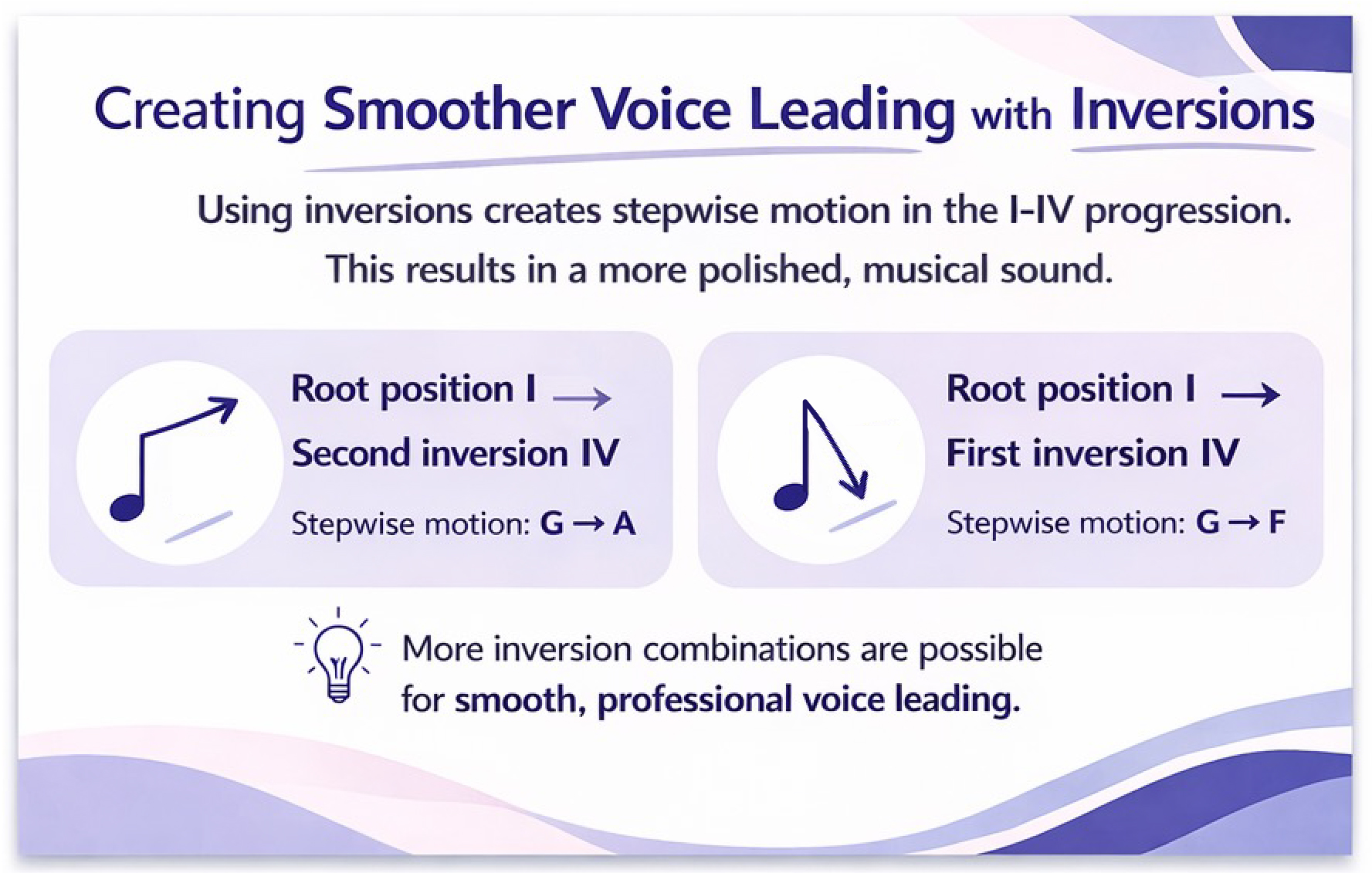
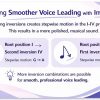
Unit 1.2 - The Major Triad Inversions (1st and 2nd)
Unit 1.3 - The Major Triad - Voicing Structures RH and LH
Unit 1.4 - Practical Application (Musically/Rhythmically/Real Playing)
MODULE 2 - Minor Triad
Unit 2.1 - The Minor Triad (Root Position)
Unit 2.2 - The Minor Triad Inversions (1st and 2nd)
Unit 2.3 - The Minor Triad - Voicing Structures RH and LH
Unit 2.4 - Practical Application (Musically/Rhythmically/Real Playing)
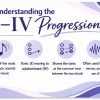
MODULE 3 - Progression Study #1: I and IV
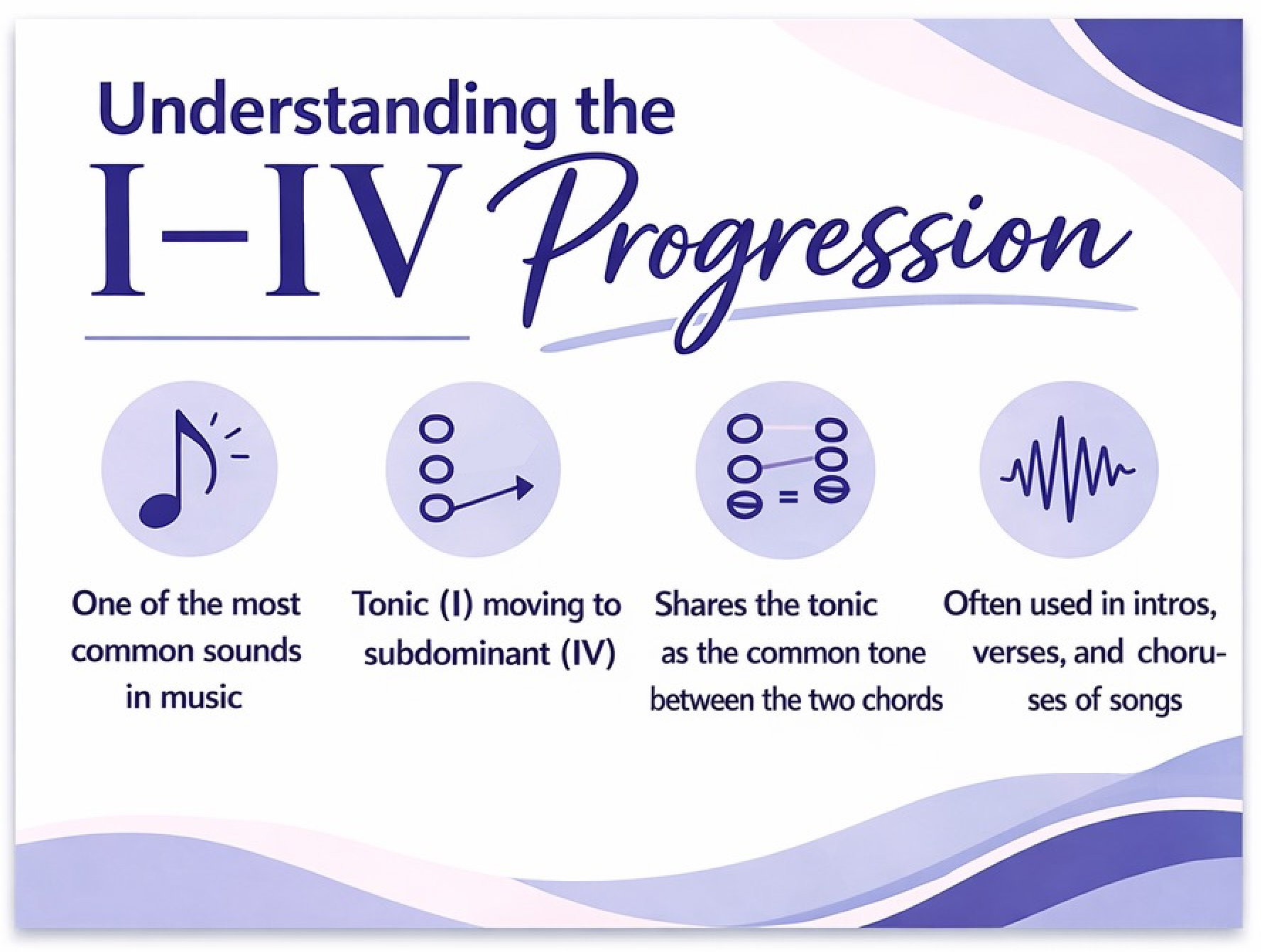
Unit 3.1 - I - IV (Major)
Unit 3.2 - I - IV (Minor)
Unit 3.3 - I - IV (Major/Minor Mix)
Unit 3.4 - Practical Application (Musically/Rhythmically/Real Playing)
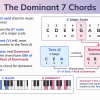
MODULE 4 - The V Chord (Dominant 7)
Unit 4.1 - The Dominant 7 Chord (Root Position Spelling; To 5th or not to 5th?)
Unit 4.2 - The Dominant 7 Chord (1st, 2nd and 3rd Inversions)
Unit 4.3 - The Dominant 7 Chord - Voicing Structures RH and LH
Unit 4.4 - Practical Application (Musically/Rhythmically/Real Playing)
MODULE 5 - Progression Study #2: I and V
Unit 5.1 - I – V (Major with or without Dominant 7)
Unit 5.2 - I – V (Minor with or without Dominant 7)
Unit 5.3 - I - V (Major/Minor Mix with or without Dominant 7)
Unit 5.4 - Practical Application (Musically/Rhythmically/Real Playing)
MODULE 6 - Progression Study #3: I - IV - V - I
Unit 6.1 - I - IV - V - I (Diatonic in Major key)
Unit 6.2 - I - IV - V - I (Diatonic in Minor key)
Unit 6.3 - I - IV - V - I (Diatonic Mix - “Flavors”)
Unit 6.4 - Practical Application (Musically/Rhythmically/Real Playing)
MODULE 7 - Progression Study #4: I - IV - II - V
Unit 7.1 - The II Chord (Root Position Spelling; To II or not to II?)
Unit 7.2 - I - IV - II - V (Diatonic in Major or Minor keys)
Unit 7.3 - I - IV - II - V (Diatonic Mix - “Flavors”)
Unit 7.4 - Practical Application (Musically/Rhythmically/Real Playing)
MODULE 8 - Progression Study #5: I - IV - VI - V
Unit 8.1 - The VI Chord (Root Position Spelling; To VI or not to VI?)
Unit 8.2 - I - VI - II - V (Diatonic in Major or Minor keys)
Unit 8.3 - I - VI - II- V (Diatonic Mix - “Flavors”)
Unit 8.4 - Practical Application (Musically/Rhythmically/Real Playing)
MODULE 9 - Progression Study #6: I - VI - II - V
Unit 9.1 - I - VI - II - V (Diatonic in Major or Minor keys)
Unit 9.2 - I - VI - II - V (Diatonic Mix - “Flavors”)
Unit 9.3 - Practical Application (Musically/Rhythmically/Real Playing)
MODULE 10 - Progression Study #7: I - VI - IV - V
Unit 10.1 - I - VI – IV - V (Diatonic in Major or Minor keys)
Unit 10.2 - I - VI – IV - V (Diatonic Mix - “Flavors”)
Unit 10.3 - Practical Application (Musically/Rhythmically/Real Playing)
MODULE 11 - Adding 7ths (Major and Minor - Diatonic
Unit 11.1 - Adding the 7 to Major and Minor Chords
Unit 11.2 - I – IV; I – V adding 7ths
Unit 11.3 - I - IV - V – I; I – IV – II – V; I – IV – VI – V adding 7ths
Unit 11.4 - I – VI – II - V and I – VI – IV – V adding 7ths
Unit 11.5 - Practical Application (Musically/Rhythmically/Real Playing)
MODULE 12 - Secondary Dominants
Unit 12.1 - Secondary Dominant Concept (Spelling, Construction, Navigation)
Unit 12.2 - I – IV; I – V (adding 7ths)
Unit 12.3 - I - IV - V – I; I – IV – II – V; I – IV – VI – V (Secondary Dominants)
Unit 12.4 - I – VI – II - V and I – VI – IV – V (Secondary Dominants)
Unit 12.5 - Practical Application (Musically/Rhythmically/Real Playing)
MODULE 13 - Diminished Triad and Half Diminished 7
Unit 13.1 - Diminished Triad (Spelling, Construction, Scale Degree Harmonically)
Unit 13.2 - Half Diminished Chord (Spelling, Construction, Minor 7 with a Flat 5)
Unit 13.3 - Diminished Triad and Half Diminished 7 - Voicing Structures RH and LH)
Unit 13.4 - Practical Application (Musically/Rhythmically/Real Playing)
MODULE 14 - Fully Diminished 7 Chord
Unit 14.1 - Fully Diminished 7 - Spelling, Construction, Scale Degree Harmonically
Unit 14.2 - Fully Diminished 7 - Voicing Structures RH and LH
Unit 14.3 – Adding Chord Quality Substitutions to the Progression
Unit 14.4 - Practical Application (Musically/Rhythmically/Real Playing)
MODULE 15 - Diatonic Circle of 5ths Progression
Unit 15.1 - Diatonic Circle of 5ths Concept (Spelling, Construction, Navigation)
Unit 15.2 - Adding Diatonic 7ths to the Progression
Unit 15.3 - Adding Chord Quality Substitutions to the Progression
Unit 15.4 - Practical Application (Musically/Rhythmically/Real Playing)
Description
Integrated Resources
ISBN
This course provides a hands-on study of commercial and contemporary keyboard harmony, guiding students from basic chord construction to practical performance across popular music styles. Students develop foundational skills in keyboard layout, note identification, chord spelling, triads, inversions, and voicing techniques before exploring common chord progressions, dominant and suspended chords, secondary dominants, and extended harmonies such as 7ths and 9ths.
Throughout the course, theory is immediately applied through real-playing exercises, rhythmic accompaniment patterns, and stylistic examples drawn from rock, R&B, gospel, country, funk, and other contemporary genres. By the end of the course, students will demonstrate practical keyboard harmony skills, stylistic fluency, and confident performance ability through a final playing exam.
Read Full Description
Academically rigorous, yet accessible and engaging, Practical Keyboard Harmony and progressions is a complete music textbook, and gives you the most music for your online, hybrid, or face-to-face music course. Everything you need for your course is included. No downloads or extra resources necessary.
Practice With Purpose Each unit ends with practical keyboard exercises that reinforce the skills students have just learned. Students build fluency and confidence by applying harmony and progressions in a hands-on musical context.
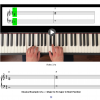
Watch the Instructor Every lesson includes short, focused demonstration videos so students can see hand placement, hear each concept, and watch it performed before trying it themselves.
Learn by Playing Connect a MIDI keyboard to the interactive digital textbook and practice directly within each lesson. Students can immediately apply the chords, voicings, and progressions they are learning.
Read It or Listen Students can read the lesson content or use “Listen to Lecture” to hear it read aloud. Multiple ways to engage with the material support flexibility, accessibility, and different learning preferences.
Practical Keyboard Harmony and Progressions
ISBN:TBA